
May is Lyme Disease Awareness Month, and this year the warning couldn’t be more urgent.
Tick season 2026 is already breaking records — and if you’ve been spending time outside hiking, gardening, walking your dog, or letting the kids play in the backyard, you need to know what’s happening. Health officials are raising serious alarms, and the numbers back it up. Emergency room visits for tick bites are already up more than 25% compared to last April, according to the CDC — the highest weekly rates since 2017. With Lyme disease cases estimated at nearly 500,000 per year in the U.S. (and experts believe the real number is even higher due to underreporting), this isn’t something to scroll past.
The good news? A few simple habits can dramatically reduce your risk. Here’s what’s driving this year’s dangerous tick season and exactly what you can do about it.
Why Tick Season 2026 Is So Severe
Three factors converged this year to create a perfect storm for tick populations:
The Snow Blanket Effect. Heavy snowfall across the Northeast this past winter actually helped ticks survive. Snow acted as an insulator, keeping soil temperatures warmer than usual — meaning ticks came through winter in far greater numbers than normal.
The Acorn Effect. Last year was a “mast year,” meaning oak trees produced an unusually large acorn crop. More acorns means more mice and deer (who feed on them), which means more hosts for ticks to feed on and reproduce. The result? A much larger tick population heading into this tick season.
Earlier Spring Activation. Unseasonably warm temperatures arrived ahead of schedule, prompting ticks to become active earlier than normal across the Northeast, Midwest, and Mid-Atlantic. Climate change is also expanding tick habitats northward — states like Ohio and Kentucky that rarely saw ticks a decade ago are now reporting significant increases in Lyme disease cases.
The CDC is projecting diagnosed Lyme cases could surpass 500,000 in 2026 — a potential record high.
What Is Lyme Disease, Really?
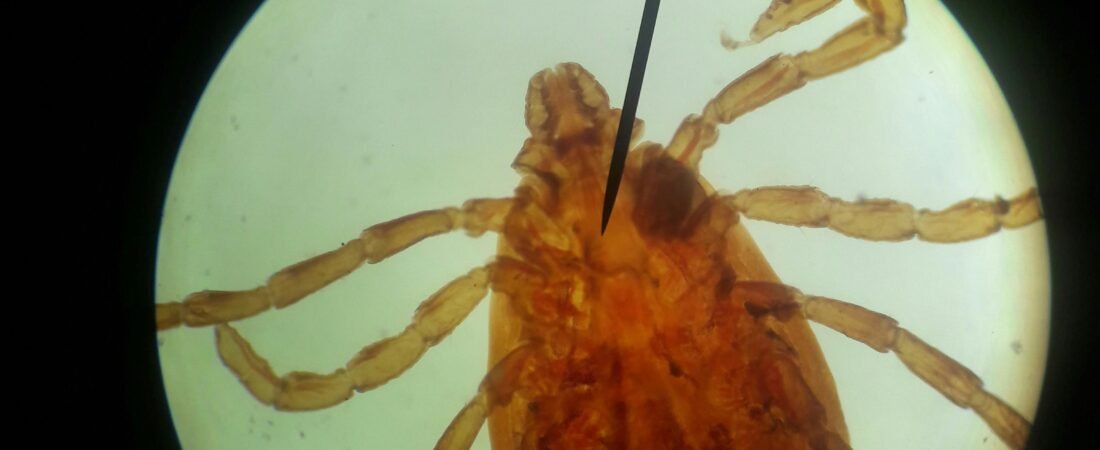
Lyme disease is a bacterial infection caused by Borrelia burgdorferi, spread through the bite of infected black-legged deer ticks. Here’s what makes it particularly tricky during tick season:
- Tick bites are painless. Deer ticks have specialized proteins that suppress pain and immune response at the bite site — which is exactly why so many people never realize they were bitten.
- The ticks are tiny. Adult deer ticks are about the size of a sesame seed. Nymph ticks — which cause most Lyme disease cases — are the size of a poppy seed. Seriously difficult to spot.
- Not everyone gets the bullseye rash. Only about 70% of people infected with Lyme develop the characteristic ring-shaped rash. That means 30% have no visible sign they were infected.
- Early symptoms look like the flu. Fever, fatigue, headache, muscle aches, chills, and swollen lymph nodes — it’s easy to dismiss as something else entirely.
When caught early, Lyme disease is very treatable with antibiotics. Left untreated, it can spread to joints, the heart, and the nervous system, causing long-term complications.
Other tick-borne illnesses to watch for this tick season include Rocky Mountain spotted fever, Powassan virus, babesiosis, and alpha-gal syndrome — a red meat allergy triggered by a specific tick bite that’s been rising in prevalence. You can learn more about building a strong immune foundation in our post on daily wellness habits that support your body year-round.
7 Habits to Protect Yourself This Tick Season
1. Use the Right Tick Repellent
Apply an EPA-registered insect repellent before going outdoors. Look for products containing at least 20% DEET, 20% picaridin (a gentler option derived from black pepper that’s equally effective), or IR3535. Follow the label — most need reapplying every few hours.
That said, if you prefer to skip DEET altogether, a good essential oil-based repellent can be a great alternative. One I personally use and love is Tick Repellent Spray by Wondercide — it’s DEET-free, made in the USA with organic steam-distilled essential oils and natural vanillin, and has been independently lab tested to repel 92% of deer ticks when used as directed. The vanilla spice scent is light and pleasant (not the heavy chemical smell you get with DEET sprays), it’s water-based so it doesn’t leave a greasy residue, and the fine mist sprayer with a safety lock makes it easy to toss in a bag. It works on both skin and clothing, which is a bonus.
Whatever repellent you choose, follow the label! Most need to be reapplied every few hours, especially if you’re sweating or spending extended time outdoors.
2. Treat Your Clothes with Permethrin
Permethrin is an insecticide that can be applied to clothing, shoes, and gear — and it works remarkably well against ticks. You can buy pre-treated clothing or treat your own outdoor clothes with a permethrin spray. A single treatment can last through multiple washes.
3. Dress Strategically for Tick Territory
When you’re in tick-heavy areas — wooded trails, tall grass, leaf litter, anywhere near wildlife — wear long sleeves and tuck pants into socks. Light-colored clothing makes ticks far easier to spot before they can attach.
4. Do a Full-Body Tick Check After Every Outdoor Activity
This is the single most important tick season habit. After any time outside, check your entire body:
- Scalp and behind the ears
- Under the arms
- Behind the knees
- Around the waist
- Between the legs
Don’t forget to check kids and pets, too. Dogs and cats are highly efficient at carrying ticks indoors.
5. Shower Within Two Hours of Coming Inside
Showering soon after you come inside can wash off unattached ticks before they find a spot to bite. It also gives you a natural opportunity to do a thorough body check.
6. Dry Your Clothes on High Heat
Ticks hate heat. Throwing outdoor clothing in the dryer on high heat for 10 minutes will kill any ticks that hitched a ride home. If the clothes are damp, add more time.
7. Remove Attached Ticks Immediately and Correctly
If you find an attached tick:
- Use fine-tipped tweezers and grasp the tick as close to the skin as possible
- Pull upward with steady, even pressure — don’t twist or jerk
- Clean the bite area with rubbing alcohol or soap and water
- Place the tick in a sealed bag and freeze it (in case your doctor needs to identify it)
- Do NOT use petroleum jelly, nail polish, or heat to remove the tick
The critical window: removing a tick within 24–48 hours significantly reduces the risk of Lyme disease transmission. The bacteria take time to transfer from tick to host, so quick removal matters enormously. The Cleveland Clinic recommends this same approach.
When to See a Doctor After a Tick Bite
Contact your healthcare provider if:
- The tick was attached for more than 24 hours
- You develop any rash (bullseye or otherwise) in the days or weeks after being in tick territory
- You experience flu-like symptoms — fever, chills, fatigue, headache, or muscle aches — after outdoor activities
- You live in a high-risk area (Northeast, Mid-Atlantic, Upper Midwest, parts of the West)
Depending on how long the tick was attached and your location, a doctor may prescribe a preventive course of antibiotics. Early treatment is highly effective.
If you’re focused on building your overall health this year, check out our guide on supporting your immune system naturally — small habits compound into big protection.
Is a Lyme Disease Vaccine Coming?
There’s genuinely encouraging news. Pfizer recently reported that a Phase III clinical trial for a Lyme vaccine showed it prevented the disease in approximately 70% of recipients. If FDA-approved, it would be the first Lyme disease vaccine available in the U.S. in decades.
That said, the vaccine targets only Lyme disease — not other tick-borne illnesses — and requires three shots plus a yearly booster. Tick season prevention habits remain essential regardless of vaccine availability.
The Bottom Line on Tick Season 2026
This is not the year to skip your tick checks. The combination of record tick populations, expanded tick habitats, and earlier-than-normal tick season activity means your risk is real — even in areas that didn’t used to be considered high-risk.
Prevention is straightforward: repellent, proper clothing, thorough body checks, and quick removal are genuinely effective when done consistently. A few extra minutes every time you come inside can make a significant difference for you and your family.
Stay safe out there — and share this with anyone who spends time outdoors this spring and summer.
⚠️ This post is for informational purposes only and does not constitute medical advice. If you have concerns about a tick bite or symptoms of a tick-borne illness, please consult your healthcare provider.
⚠️ This post contains affiliate links. If you purchase through them, I may earn a small commission at no extra cost to you.
Sources: CDC, Johns Hopkins Bloomberg School of Public Health Media Briefing (May 5, 2026), Northeastern University, Cleveland Clinic, U.S. News & World Report