
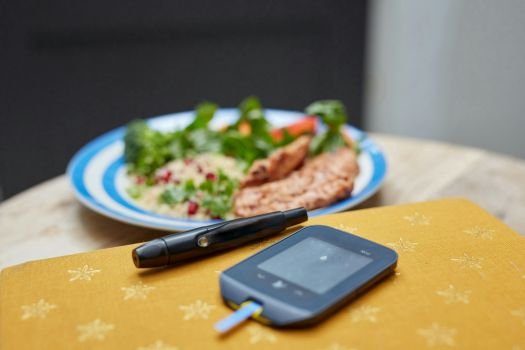
Managing diabetes isn’t just about checking numbers, it’s about understanding what those numbers mean for your daily life. A blood glucose meter is one of the most important tools in your wellness routine because it shows you how food, movement, stress, sleep, and medication affect your body in real time.
But with so many options available, choosing the right meter can feel overwhelming. Let’s simplify it.
Why a Blood Glucose Meter Matters
A blood glucose meter measures the amount of sugar (glucose) in a small drop of your blood. By tracking your readings consistently, you can:
- Spot patterns and trends
- Understand how meals affect you
- See how exercise impacts your levels
- Catch highs and lows early
- Make informed adjustments with your healthcare provider
This isn’t about perfection. It’s about awareness and steady progress.
How Most Meters Work
Traditional meters follow a simple process:
- Insert a test strip into the device.
- Use a small lancet to prick the side of your fingertip.
- Place a drop of blood on the strip.
- Wait a few seconds for your reading to appear.
When used correctly and stored properly, most modern meters are reliable and accurate.
What to Consider Before You Buy
Choosing a meter isn’t about finding the “best” one, it’s about finding the one that fits your routine, budget, and comfort level.
1. Insurance and Coverage
Some insurance plans only cover specific brands or limit the number of test strips per month. Always check coverage before purchasing.
2. Ongoing Cost
The meter itself may be affordable, but test strips are the real long-term expense. Compare strip pricing carefully.
3. Ease of Use
Ask yourself:
- Is the screen easy to read?
- Are the buttons simple to navigate?
- Is the meter comfortable to hold?
- How much blood does it require?
Small design details matter when you’re testing daily.
4. Helpful Features
Depending on your needs, you may want:
- Backlit screens
- Larger buttons
- Audio readouts for vision support
- Memory storage for past readings
- Trend tracking and averages
- Smartphone app integration
- Data sharing with your healthcare provider
Technology can make tracking smoother but only if you’ll actually use it.
5. Customer Support
Look for clear instructions and accessible support. Many companies offer helplines and online guides.
Newer Technology Options
Finger sticks are still widely used and effective. However, newer technologies aim to reduce discomfort and improve convenience.
Alternative Site Testing
Some devices allow testing from areas like the forearm or palm, which may feel less sensitive than fingertips.
Important note: These sites may be less accurate when your blood sugar is changing quickly (after meals, exercise, or during lows).
Continuous Glucose Monitors (CGMs)
A CGM uses a small sensor placed under the skin to measure glucose throughout the day and night. Readings are sent to your smartphone or device, and alerts notify you if levels go too high or too low.
Benefits:
- Continuous data
- Trend tracking
- Fewer finger sticks
- Real-time alerts
Considerations:
- Higher cost
- Sensor replacement every 10–15 days
- Occasional finger stick confirmation may still be required
Some individuals also use a CGM alongside an insulin pump, which delivers insulin automatically based on programmed settings.
If You’re Still Unsure
If comparing features and prices feels overwhelming, talk with your healthcare provider or a certified diabetes educator. They can recommend options based on your specific health goals, lifestyle, and treatment plan.
The Everyday Health Quest Perspective
Your glucose meter isn’t just a device, it’s feedback. It gives you insight into how your body responds to daily choices. The goal isn’t chasing perfect numbers. It’s building consistency, awareness, and confidence one reading at a time.
The best meter is the one you’ll actually use comfortably, consistently, and without stress. Our recommendation is this one since it is reliable, highly rated, & has a beginner-friendly meter kit but of course pick the one that is best for you.
Disclaimer: This content is for educational and informational purposes only and is not medical advice. Always consult a qualified healthcare professional regarding medical concerns, diagnosis, or treatment decisions related to diabetes or blood sugar management.
Affiliate Disclosure: Some links on this site may be affiliate links, which means Everyday Health Quest may earn a small commission at no additional cost to you if you choose to make a purchase. We only share products that align with our wellness values and may support your health journey.