
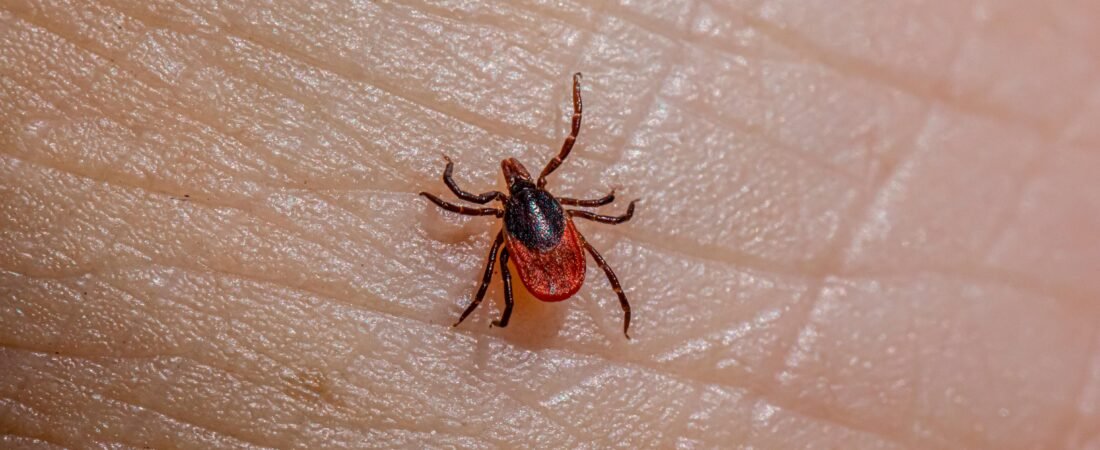
With 2026 shaping up to be one of the worst tick seasons on record, people are looking at every tool available — including some you might not have heard of.
If you’ve been doing any research into natural tick prevention lately, you may have come across something called cistus incanus tea — a Mediterranean herb that some people swear keeps ticks from biting them.
The claims sound almost too good to be true: drink a couple cups of tea every day and ticks leave you alone? We were skeptical too. So we dug into what the research actually says, talked to what’s out there, and put together an honest picture — including where the evidence is strong, where it’s limited, and how this fits (or doesn’t fit) into a real tick prevention routine.
Here’s what we found.
⚠️ Medical Disclaimer: This post is for informational and educational purposes only. Nothing here constitutes medical advice, diagnosis, or treatment. Cistus incanus tea is not approved by the FDA as a tick repellent or for the prevention or treatment of Lyme disease or any other tick-borne illness. Always consult your healthcare provider before adding any new herb or supplement to your routine, especially if you are pregnant, nursing, taking medications, or managing a health condition. Do not rely on cistus tea alone to prevent tick bites — continue using proven prevention methods.
What Even Is Cistus Incanus?
Cistus incanus — also called rock rose or Mediterranean rock rose — is a small, flowering shrub native to the Mediterranean region, particularly Greece (the Chalkidiki peninsula), Sardinia, Turkey, and Crete. It’s been used in traditional European herbal medicine for centuries, and it makes a pleasant, mildly floral herbal tea.
What makes it nutritionally interesting is its extraordinarily high polyphenol content. It’s one of the richest plant sources of polyphenols known — specifically bioflavonoids, catechins, gallic acid, proanthocyanidins, and rutin. These are the same class of compounds that make green tea, dark chocolate, and berries so good for you.
Beyond the tick angle, cistus incanus has been studied for its:
- Antiviral and antibacterial properties — it’s been used in Europe to shorten the duration of colds and flu
- Antioxidant capacity — comparable to or exceeding other high-polyphenol herbs
- Cardiovascular support — a 2021 study published in Cardiology Journal found it may help decrease cardiovascular risk factors including oxidative stress and dyslipidemia
- Anti-biofilm properties — research has looked at its potential to disrupt bacterial biofilms, including those associated with Lyme disease bacteria (Borrelia burgdorferi)
- Anti-inflammatory effects — supported by multiple European studies
It’s caffeine-free, tastes pleasant, and has a long track record of safe use. That part is well-established.
So What’s the Tick Connection?
Here’s where it gets interesting — and also where we need to be careful about how we frame things.
The tick-repellent claim around cistus incanus appears to come from two main sources:
1. European anecdotal and traditional use
In Sardinia, there’s a long folk tradition of giving cistus to livestock. According to lore, animals that grazed on or were fed cistus plants came back from pasture with far fewer ticks than animals that hadn’t consumed it. This observation has been passed down for generations and is widely cited in European herbal circles.
The theory is that cistus contains bioactive compounds — particularly its polyphenols — that, when consumed, are released through the skin via sweat and sebum. Ticks, which rely heavily on scent to locate hosts, are thought to find this altered scent profile unappealing and seek a different host.
2. A German study on dogs
One notable study conducted in Germany gave dogs cistus incanus capsules during tick season. The study reported a significant reduction in tick bites in dogs receiving cistus compared to those who didn’t. This study is frequently cited as the primary scientific evidence for cistus as a tick deterrent.
While not much other formal research has been undertaken on cistus tea as an insect repellent, many anecdotal accounts regarding its effectiveness make drinking the tea on a regular basis — at least during tick season — seem worth a try.
Additionally, research at the University of Leipzig, Germany, showed that polyphenols and other compounds of Cistus incanus agglutinate borrelia spirochetes, rendering them harmless. While this is related to Lyme disease treatment rather than tick prevention directly, it adds to the picture of cistus as a potentially useful herb in the tick-borne illness conversation.
Let’s Be Honest About the Evidence
Here’s where we’re going to be real with you, because that’s what we do.
The evidence for cistus incanus as a tick repellent in humans is preliminary and largely anecdotal. The German dog study, while encouraging, hasn’t been widely replicated in large-scale human clinical trials. Most of what exists is:
- Traditional folk use and observation (especially in Mediterranean cultures)
- Positive reports from people who drink it regularly during tick season
- One notable animal study
- Mechanistic plausibility (the polyphenol theory makes sense biologically, but hasn’t been definitively proven as the tick-deterrent mechanism in humans)
This doesn’t mean cistus tea doesn’t work. It means we don’t yet have the robust human clinical trial data that we’d need to say with certainty that drinking it will reduce your tick exposure. The absence of proof isn’t proof of absence — especially for a herb that hasn’t received significant research funding compared to pharmaceutical options.
What we can say is: the herb has a strong safety profile, a long history of use, well-established health benefits beyond the tick angle, and a biologically plausible mechanism for tick deterrence. For many people, that’s worth exploring — especially as a complement to conventional prevention methods, not a replacement for them.
How to Use Cistus Incanus Tea
If you want to try it, here’s what the available guidance suggests:
Drink cistus tea daily (about 2 cups a day) for at least a week in order to realize its biting insect-repellent effects.
How to brew it:
- Use 1-2 teaspoons of dried cistus incanus herb per cup of hot water
- Steep for 5-10 minutes
- It has a mild, slightly floral, earthy flavor — most people find it pleasant
- It’s caffeine-free, so it can be enjoyed at any time of day
Where to find it: Cistus incanus tea is more popular in Europe but is increasingly available in the US through herbal tea companies and online retailers. Look for products that source from the Mediterranean — specifically Greece or Sardinia — where the plant’s polyphenol concentration tends to be highest.
When to start: Since the proposed mechanism involves the compounds building up in your system and being released through the skin, most sources suggest starting at least a week before you’ll be spending significant time outdoors in tick territory.
This Is a Complement, Not a Replacement
We want to be very clear about this: cistus incanus tea should not replace proven tick prevention methods. With 2026 shaping up to be a record tick season and Lyme disease cases potentially surpassing 500,000 this year, this is not the time to skip your repellent and skip your tick checks.
Think of cistus tea the way you’d think about most wellness habits — it’s a potential layer of support, not a magic bullet.
Your full tick prevention toolkit should still include:
- EPA-registered insect repellent (DEET or picaridin-based)
- Permethrin-treated clothing for outdoor activities
- Thorough full-body tick checks after every outdoor outing
- Showering within 2 hours of being outside
- High-heat dryer cycles for outdoor clothing
Cistus tea, if it works the way traditional use suggests, might be one more layer of protection. And regardless of its tick-deterrent effects, it’s a genuinely healthy, polyphenol-rich herbal tea with a solid track record for other wellness benefits. Two cups a day during tick season seems like a low-risk, potentially high-reward habit.
The Bottom Line
Cistus incanus tea is a fascinating, underresearched herb with a long history of traditional use and a growing body of science supporting its health benefits. The tick-repellent claim is real — it’s rooted in traditional European practice and at least one notable animal study — but the human clinical evidence is limited.
If you’re curious, it’s worth trying. It’s safe, it tastes good, it’s caffeine-free, and the worst case scenario is you just enjoyed a really nice herbal tea for a few months. The best case scenario is that you’ve added a genuinely useful layer of natural protection during the most active tick season in years.
Just don’t ditch the DEET entirely.
⚠️ This post is for informational and educational purposes only and does not constitute medical advice. Cistus incanus tea has not been evaluated by the FDA for the prevention or treatment of tick bites, Lyme disease, or any other condition. Always consult your healthcare provider before making changes to your health routine. Do not rely on any single method — including cistus tea — as your sole protection against ticks.
Want more evidence-based wellness tips delivered in plain language? Subscribe to our newsletter at everydayhealthquest.com and grab your free guide while you’re there.